Neil McRae for his help with the English language. Thanks to Fred Kuntz for mica & more! |
|
|
Please send me an e-mail if you have more information which I could add to this site.
In the early days of pressure lamps the cylinders, or globes, were frequently not made of glass as the glass manufacturing technology of the time would not permit production of a glass cylinder combining the requirements of thickness, heat resistance and low price. So mica(or isinglass) was used as a simple cheap alternative.
Mica is a very good electrical insulator and has very good heat conducting properties. It has been used in the electronics industry for years as insulation for power transistors Etc.
In pressure lamps mica suits very well as a material for making globes / cylinders. When cut into strips and assembled correctly it offers a variety of design possibilities for globe
manufacture.
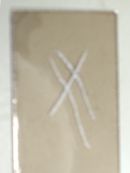
Because it is also to a degree flexible such a mica globe can even be dropped without breaking, is resistant to most chemicals but it is easily damaged by scratches.
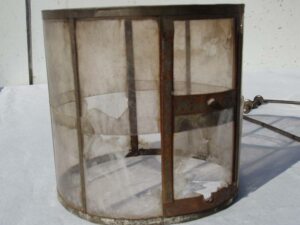
Original Mica Globe of the 1940s. |
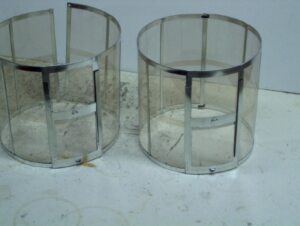
Reproduction Globe by Fred, 2004. |
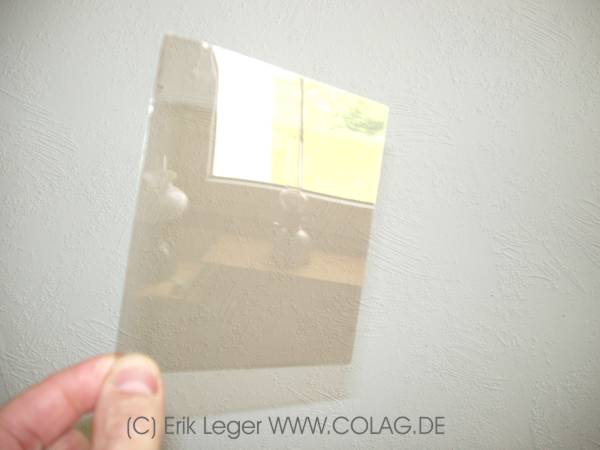
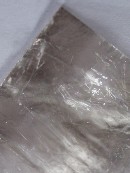
![]() A brand new pane of mica 5x5" x 1/128" thin. |
|
| Mica panes are hard to find in Germany. When I asked some companies I got answers like: "No problem for 100,000
pieces..." Well, not very reasonable if you only need one or two. You have to pay the postage, sure, but it is still less expensive to buy in the US. Fred Kuntz (from Ohio) made the mica globes shown above and he can easily obtain and send mica sheets in the desired size. His e-mail address can be found on Terry Marsh’s site. |
|
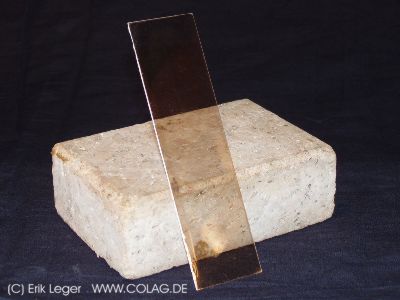
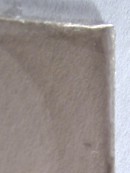
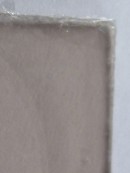
![]() I cut the mica in such pieces. |
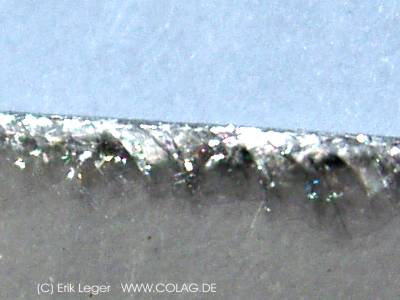
![]() ...and did this to the edges! |
(pure) |
(cheap) |
(Miele) |
(extreme) |
(hot) |
(pointed) |
(brutal) |
![]() |
![]() |
![]() |
![]() |
![]() |
![]() |
![]() |
![]() |
![]() |
![]() |
![]() |
![]() |
![]() |
![]() |
![]() |
![]() |
![]() |
![]() |
![]() |
![]() |
![]() |
![]() |
![]() |
![]() |
![]() |
![]() |
![]() |
![]() |
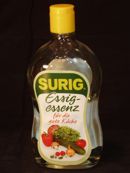
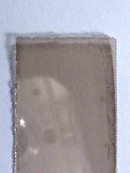
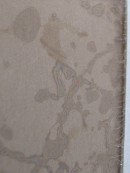
Result: Superficially Vinegar laterally penetrated the laminations between the single sheets of the mica. |
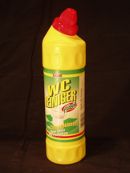
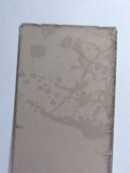
Result: Superficially The toilet cleaner laterally penetrated the laminations between the single sheets of the mica. |
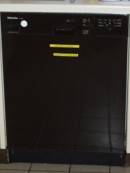
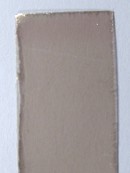
Result: Superficially Dishwasher detergent laterally deeply penetrated the laminations between the single sheets of the mica. |
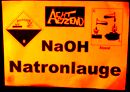
Result: Superficially The caustic soda laterally penetrated a little between the single sheets of the mica. |
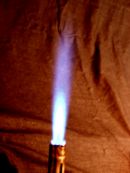
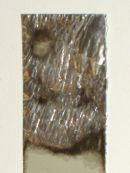
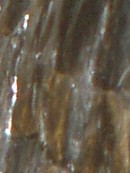
Result: Complete destruction
|
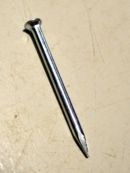
Result: Deep scratches
|
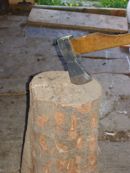
Result: Complete destruction
|
| However a direct impact, whilst possibly making a hole, will not destroy the whole globe as would be the case with glass. Mica also has the advantage of being lighter than glass and for a lantern designed to be carried this may be desirable. |
||||||
I got these results. Other chemicals, temperatures or other qualities of mica will certainly cause other results! |
||||||
© 2005-08 Erik Leger